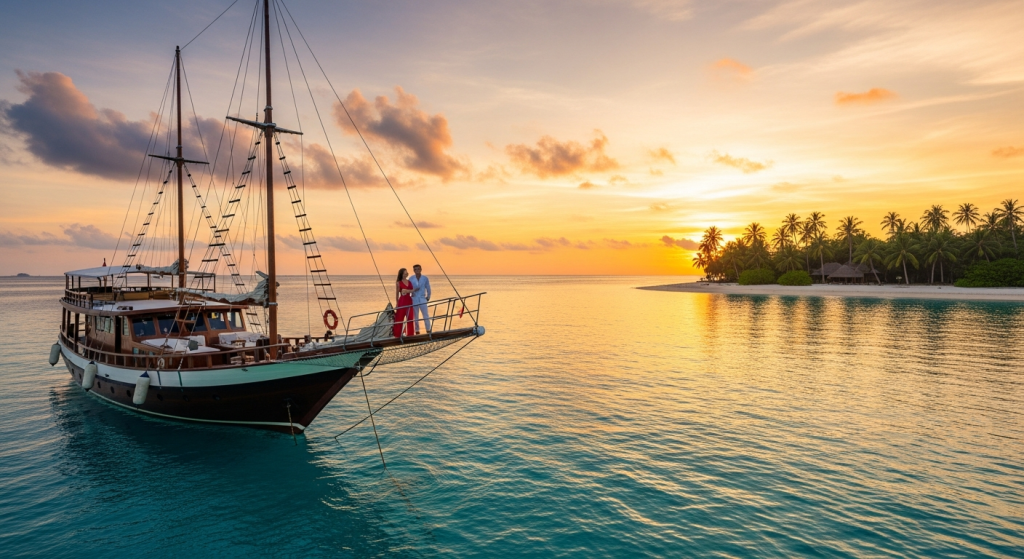
Salt air brushes the skin, a gentle breeze whispers across the deck. The horizon stretches, a seamless canvas of turquoise meeting endless blue. This is the Anambas, an archipelago in the South China Sea, where the rhythm of the ocean dictates every journey. Understanding its seasonal cadence is paramount for an unparalleled private yacht charter.
The Dry Season Zenith: April to October
The Anambas Islands reveal their most serene countenance from April through October, coinciding with the region’s dry season. These months present the most favorable conditions for sailing, diving, and exploring the archipelago’s 255 islands. Sea conditions during this period are typically calm, with average wave heights rarely exceeding 0.5 meters. Water temperatures remain consistently warm, hovering between 28°C and 30°C, providing perfect conditions for extended periods in the water. Visibility for divers and snorkelers often exceeds 25 meters, frequently reaching 30 meters or more in protected coves. This clarity allows for exceptional encounters with the vibrant coral ecosystems that define Anambas.
Wind patterns during this season are generally light to moderate, typically ranging from 5 to 15 knots, predominantly from the southeast. This allows for comfortable sailing and excellent opportunities to explore remote anchorages such as those around Pulau Bawah Reserve, renowned for its three lagoons. The likelihood of rainfall is significantly lower, with monthly averages often below 100mm, contrasting sharply with the wet season. Guests often experience weeks without a single shower, ensuring uninterrupted enjoyment of sun-drenched days. Our captains, with over 15 years of operational experience in these waters, consistently advise this window for first-time visitors seeking the quintessential Anambas experience aboard an Anambas Yacht.
Navigating the Northeast Monsoon: November to March
From November to March, the Anambas Islands experience the influence of the Northeast Monsoon. This period brings stronger winds, increased rainfall, and choppier sea conditions compared to the dry season. Wind speeds can average between 15 to 25 knots, with occasional gusts exceeding 30 knots, particularly in December and January. Wave heights can reach 1.5 to 2 meters in open waters, making transit between islands less comfortable for some guests. Rainfall intensifies, with monthly averages often exceeding 250mm, sometimes reaching 400mm in peak monsoon months. While the rain typically comes in tropical bursts rather than prolonged downpours, it can impact outdoor activities.
Despite these conditions, the Anambas does not close for yacht charters. Anambas Yacht operates year-round, adapting itineraries to prioritize sheltered anchorages and calmer leeward sides of larger islands. Destinations like the protected bays of Pulau Siantan or the eastern coastlines offer respite from stronger northerly winds. Diving remains possible, though visibility may be reduced to 10-15 meters due to increased sediment in the water. For repeat guests or those seeking a more adventurous charter with potentially fewer fellow travelers, this period offers a different perspective on the archipelago’s rugged beauty. Our vessels, built to international maritime standards, are well-equipped to handle these conditions, ensuring safety remains paramount.
Shoulder Seasons: March and November’s Transitional Charms
The months of March and November serve as transitional periods, often referred to as shoulder seasons, bridging the dry and wet monsoons. March marks the gradual retreat of the Northeast Monsoon, with winds beginning to moderate and rainfall decreasing. Sea conditions typically improve throughout the month, becoming increasingly favorable towards April. Average wind speeds in March might range from 10 to 20 knots, a noticeable reduction from peak monsoon. Similarly, November sees the onset of the Northeast Monsoon, with conditions gradually shifting from the calm dry season to the more dynamic wet season. Early November often retains characteristics of the dry season, offering a brief window of excellent conditions before the full monsoon arrives.
These shoulder months can present unique advantages. They often combine relatively good weather with fewer visitors, offering a more secluded experience across the Anambas archipelago. Pricing for some services, though not directly controlled by Anambas Yacht, can sometimes reflect this reduced demand. Water visibility during these transitions can be variable but often remains good, particularly early in November or late in March, frequently exceeding 20 meters. For flexible travelers, these months can offer a compelling balance of favorable conditions and enhanced privacy. A customized itinerary, developed in close consultation with our experienced charter specialists, can leverage these transitional periods effectively.
Diving and Marine Life: Seasonal Peaks
The Anambas Islands are recognized globally for their pristine coral reefs and abundant marine biodiversity, attracting diving enthusiasts from around the world. The optimal period for diving aligns perfectly with the dry season, from April to October. During these months, the calm seas and exceptional visibility, often exceeding 25 meters, create ideal conditions for exploring the 100+ identified dive sites. The stable water temperatures, consistently around 29°C, support a thriving ecosystem of hard and soft corals, including impressive formations of Staghorn and Brain corals. Macro life, such as various nudibranchs and pygmy seahorses, is easily observed, alongside schools of pelagic fish like barracuda and trevally.
While specific large pelagic migrations are not the primary draw of Anambas, the health of its reefs ensures year-round resident populations of reef sharks, turtles (Green and Hawksbill species), and numerous species of colorful reef fish. The clarity during the dry season significantly enhances the photographic opportunities for underwater enthusiasts. During the Northeast Monsoon, while diving is still possible, increased plankton in the water can reduce visibility to 10-15 meters, though this can sometimes attract larger filter feeders, creating different photographic opportunities. Anambas has several designated Marine Protected Areas (MPAs) which ensure the longevity of these ecosystems, with conservation efforts supported by local communities and organizations like the Anambas Foundation.
Local Knowledge and Operational Considerations
Operating a luxury yacht charter in a remote archipelago like Anambas demands profound local knowledge and adaptability. Anambas Yacht relies heavily on the insights of our seasoned captains and crew, many of whom are long-term residents of the Riau Islands Province. Their understanding of micro-climates, localized wind patterns, and the nuances of the South China Sea is invaluable. For instance, while the Northeast Monsoon generally brings stronger winds, specific islands or bays might offer unexpected shelter due to their topography. Local fishermen, with generations of experience navigating these waters, often provide additional, real-time weather observations.
Our operational planning incorporates comprehensive weather forecasting, but it is always complemented by this indigenous wisdom. Each Anambas Yacht vessel carries advanced navigation and communication systems, ensuring continuous monitoring of conditions. Our typical charter itineraries, ranging from 5 to 10 days, are designed with flexibility, allowing for adjustments based on prevailing weather to maximize comfort and safety for our UHNW clients. For instance, if strong winds are predicted for a specific area, our captains will propose alternative, equally captivating anchorages. This proactive approach, refined over years of operation, ensures that even during less favorable conditions, the Anambas experience remains exceptional.
Planning Your Anambas Yacht Journey
Selecting the optimal time for your Anambas yacht charter is a crucial step in designing your bespoke remote island escape. For those prioritizing calm seas, maximum visibility for diving, and uninterrupted sunshine, the period from April to October is unequivocally recommended. This timeframe is particularly ideal for multi-generational family groups and first-time visitors seeking a quintessential tropical yachting experience. The clear skies and gentle breezes create an idyllic backdrop for private island picnics, snorkeling excursions, and leisurely explorations of the archipelago’s untouched beauty.
Conversely, for seasoned travelers or repeat Indonesia liveaboard guests who appreciate the dramatic beauty of tropical weather and potentially fewer fellow travelers, the shoulder months of March and November offer compelling alternatives. While the Northeast Monsoon (November to March) presents more dynamic conditions, it also reveals a different facet of the Anambas, characterized by rugged beauty and profound solitude. We advise booking your Anambas Yacht experience at least 6 to 12 months in advance, especially for peak dry season dates, to secure your preferred vessel and itinerary. Our dedicated charter specialists are available to discuss your specific preferences and craft an itinerary that aligns perfectly with your vision for an extraordinary journey through these remote Indonesian waters. Discover the Anambas on your terms.
For more information on the Anambas Islands, consult Wikipedia’s entry on the archipelago. Further details on Indonesia’s diverse regions can be found at Indonesia.travel. Your journey into the extraordinary awaits.
Begin your Anambas Islands adventure. Explore our fleet and charter options at anambasyacht.com. To discuss private island getaways or bespoke diving expeditions, visit our contact page.